
TREATMENT • ABU DHABI
06
PRP Treatment in Abu Dhabi
PRP uses platelet-rich plasma prepared from the patient’s own blood to support natural regenerative processes and skin rejuvenation.
OVERVIEW
Using Your Own
Regenerative Potential
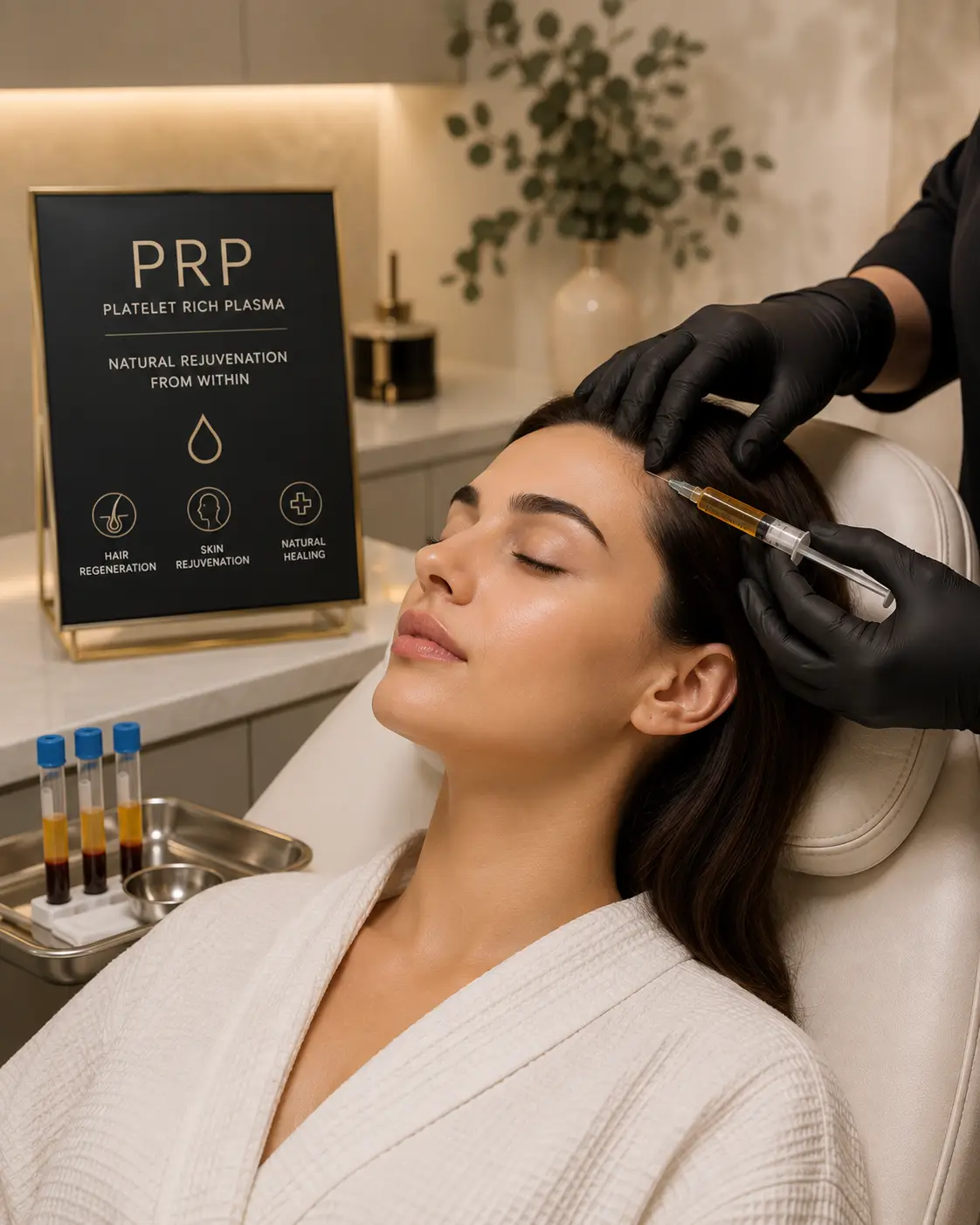
PRP treatment begins by drawing a small amount of the patient’s blood and processing it to concentrate platelets within the plasma. The prepared platelet-rich plasma can then be applied or injected into selected treatment areas.
In aesthetic medicine, PRP may be used to support skin quality, texture and regenerative processes. The method and treatment plan depend on the area, concern and whether PRP is used alone or alongside another procedure.
Planning PRP Responsibly
A responsible PRP plan begins by defining the concern in precise terms. The aim may involve support skin rejuvenation, improve overall skin quality or a combination of carefully selected objectives. Photographs, facial movement, tissue quality and previous procedures can all contribute useful information, but they do not replace an in-person medical assessment.
Dr. Ali considers how the requested change relates to the face or treatment area as a whole. A technically possible procedure is not automatically the most appropriate one. Product choice, device settings, treatment depth, timing and the value of a staged approach are considered alongside the option of doing less. This measured process helps keep the proposed plan aligned with natural proportions and realistic expectations.
Alternative or complementary options may also be relevant. Depending on the concern, Morpheus 8 or Skin Booster may be discussed during consultation. These treatments are not interchangeable, and combining procedures is not automatically preferable. Each option should have a clear purpose within the wider plan.
Before proceeding, patients should understand what the treatment is designed to do, what it cannot reliably achieve, the expected recovery pattern and the signs that require medical advice. Outcomes vary with anatomy, biology, technique and aftercare. Review is therefore based on the individual response rather than a guaranteed result or a fixed comparison with another patient.
Consultation is also the point at which practical details are considered. Upcoming travel, important events, current skin care, medications and recent procedures may affect timing. Patients should share relevant medical information and ask questions about preparation, consent and aftercare. Where a course of treatment is proposed, progress should be reviewed before automatically repeating the same plan. This allows decisions to remain responsive to healing, benefit and any change in priorities. Clear communication remains important throughout, especially if symptoms, medication or treatment goals change before the scheduled appointment.
POTENTIAL TREATMENT GOALS
A Considered Treatment
May Support
01
Support skin rejuvenation
A measured treatment goal considered against individual anatomy and expectations.
02
Improve overall skin quality
A measured treatment goal considered against individual anatomy and expectations.
03
Support natural regenerative processes
Individual biological response is considered when planning treatment.
04
Complement selected aesthetic procedures
A measured treatment goal considered against individual anatomy and expectations.
05
Address selected texture concerns
Treatment selected according to skin quality and the concern addressed.
THE PROCESS
What Happens
During Treatment
Blood is collected and processed using a centrifuge. The prepared PRP is then used in the selected treatment area according to the treatment plan. Technique can vary according to whether it is injected, combined with microneedling or used as part of another planned procedure.
The proposed approach, limitations and aftercare are discussed before proceeding. Treatment only takes place when the plan is considered suitable and the patient has had the opportunity to ask questions.
01
ASSESSMENT
The concern, medical history and treatment area are reviewed in person.
02
PLANNING
Suitability, technique and a proportionate treatment plan are discussed.
03
TREATMENT
The agreed procedure is carried out using settings or placement selected for the individual.
04
AFTERCARE
Recovery guidance, expected changes and appropriate review timing are explained.
Who May Be
Suitable?
PRP may be considered for selected patients interested in regenerative skin-quality support. Medical history, blood-related conditions, medication, skin health and treatment objectives are assessed carefully. Suitability and likely benefit depend on the concern, and an alternative approach may sometimes be recommended.
Individual assessment is essential. Results vary, and consultation may identify reasons to postpone treatment, choose an alternative or avoid intervention.
Individual assessment is essential.
FACIAL MOVEMENT
Expression and movement are considered where relevant to the treatment.
SKIN CONDITION
Skin health and tissue quality may influence suitability and planning.
TREATMENT HISTORY
Previous procedures and response should be discussed openly.
EXPECTATION
The intended degree of change should remain realistic and proportionate.
Assesment
Health history and individual risk require professional review.
AFTER TREATMENT
What to Expect
Temporary redness, swelling, sensitivity or bruising may occur. Because PRP relies on an individual biological response, changes are not immediate or identical for every patient. The recommended course and review timing depend on the treatment indication and response.
Contact the practice if an unexpected reaction or concern develops. Medical advice and aftercare are tailored to the treatment performed and the individual patient.
IMMEDIATELY AFTER
Temporary redness, tenderness, swelling or visible treatment marks may occur, depending on the procedure.
EARLY RECOVERY
Aftercare and activity guidance are individualized. Contact the practice if an unexpected concern develops.
RESULT DEVELOPMENT
Changes may be gradual and vary between patients. Review is based on the individual response, not a guaranteed timeline.
Before & After
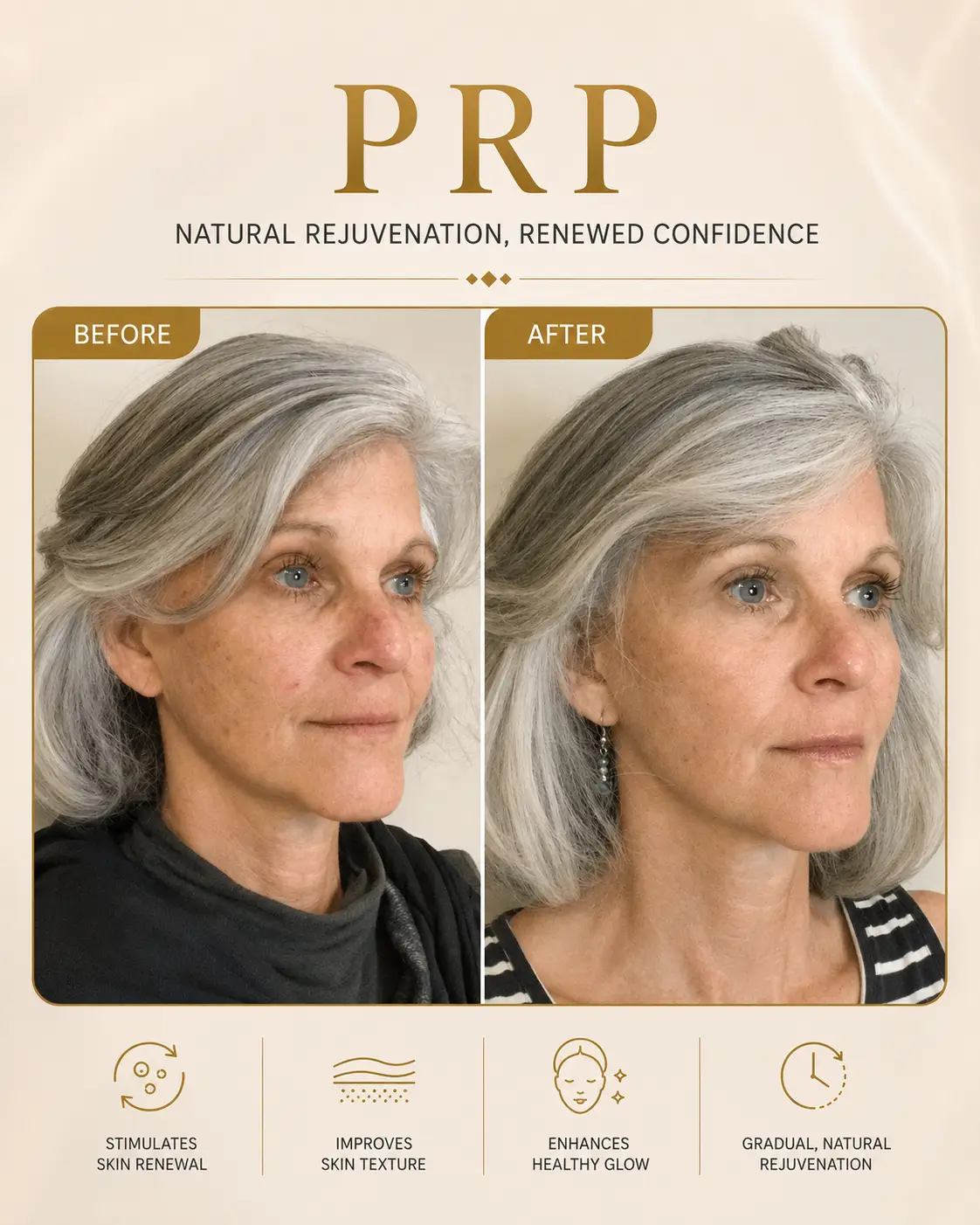
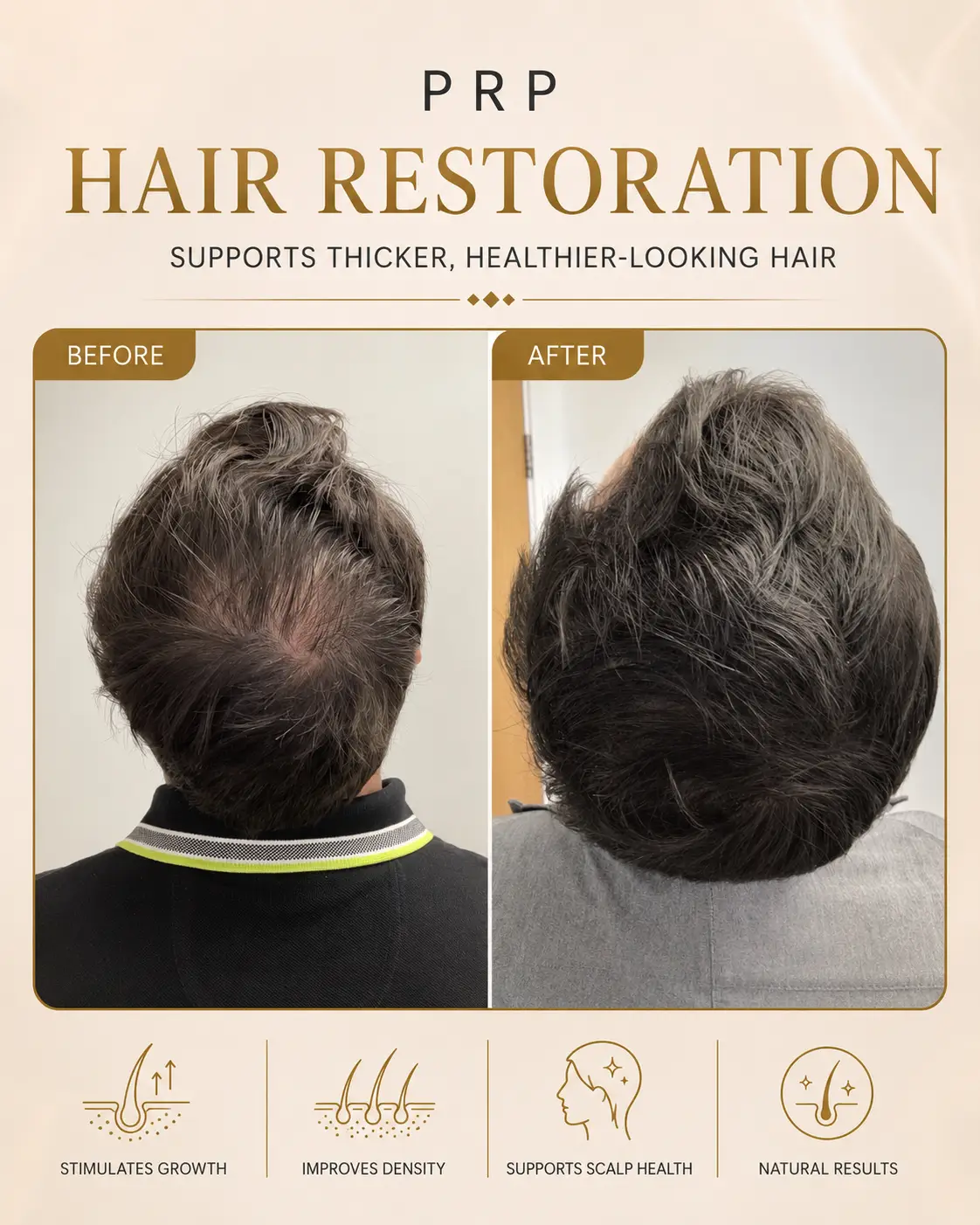
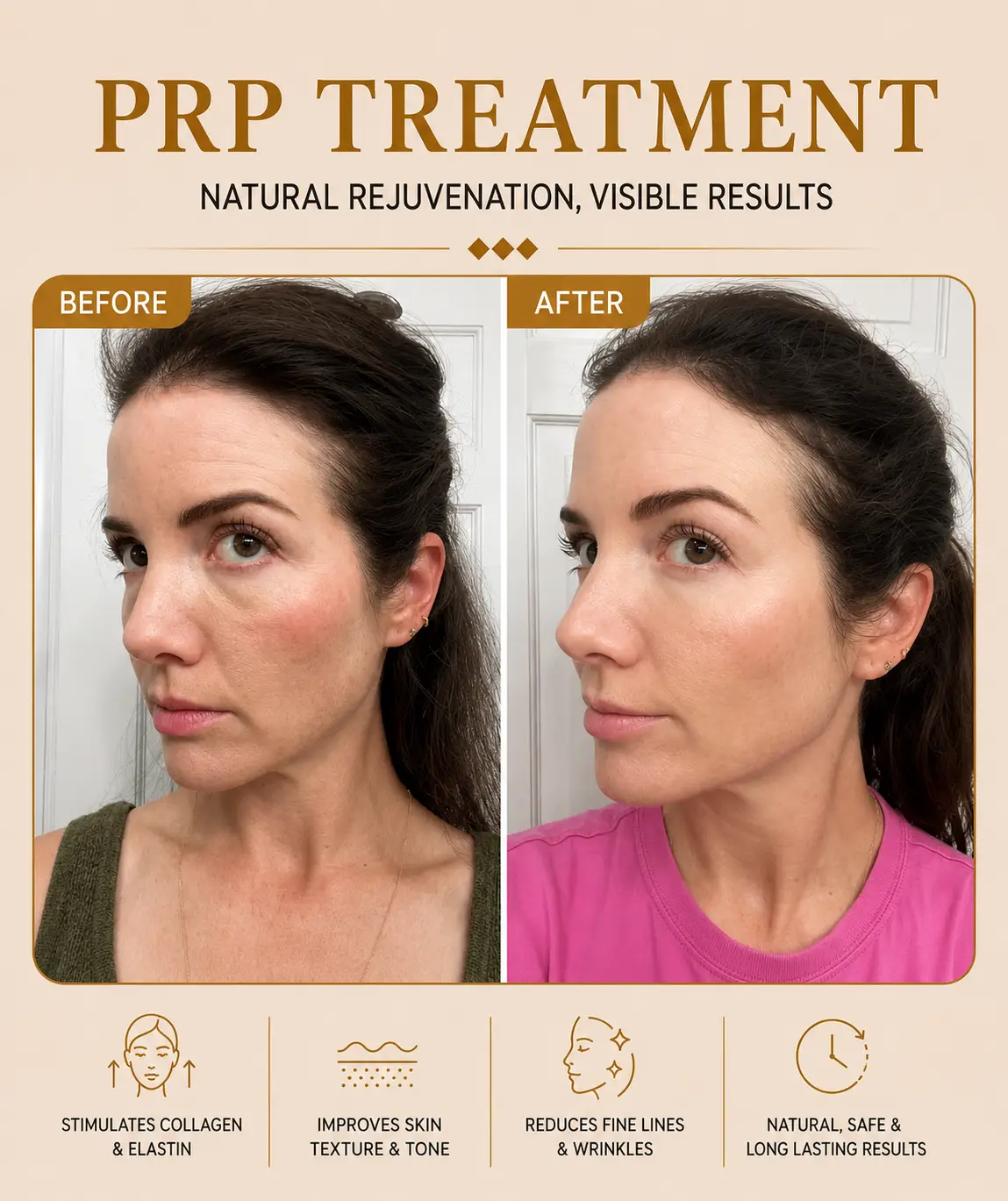
Real patient results will be added here using Dr. Ali’s own treatment photography.
01
02
03
QUESTIONS
PRP FAQ
PRP is an aesthetic treatment used for selected concerns described on this page. Its mechanism and appropriate use vary by treatment. Consultation is important because a procedure that suits one patient may not suit another, and expected benefits, limitations, recovery and alternatives should be understood before proceeding.
A small blood sample is collected and processed in a centrifuge to separate and concentrate platelet-rich plasma. The prepared material is then used according to the treatment plan. Technique and equipment protocols matter, and suitability is assessed before blood is taken.
PRP may be considered for several selected facial or skin areas, but suitability is determined by anatomy, tissue quality and the concern being addressed. A consultation is needed to identify whether the requested area is appropriate and whether another treatment might provide a more proportionate approach.
The number and timing of PRP sessions cannot be decided responsibly without assessment. It depends on the starting concern, treatment intensity, individual response and intended endpoint. Dr. Ali may recommend a staged plan and review progress before confirming whether further treatment is appropriate.
The answer depends on the treatment area, individual anatomy, medical history and the agreed plan. Temporary redness, swelling, tenderness, bruising or treatment marks may occur, depending on the procedure. Many patients can resume normal routines relatively soon, but recovery varies. Specific aftercare and any activity restrictions are explained during the appointment.
EXPLORE FURTHER
Related Treatments
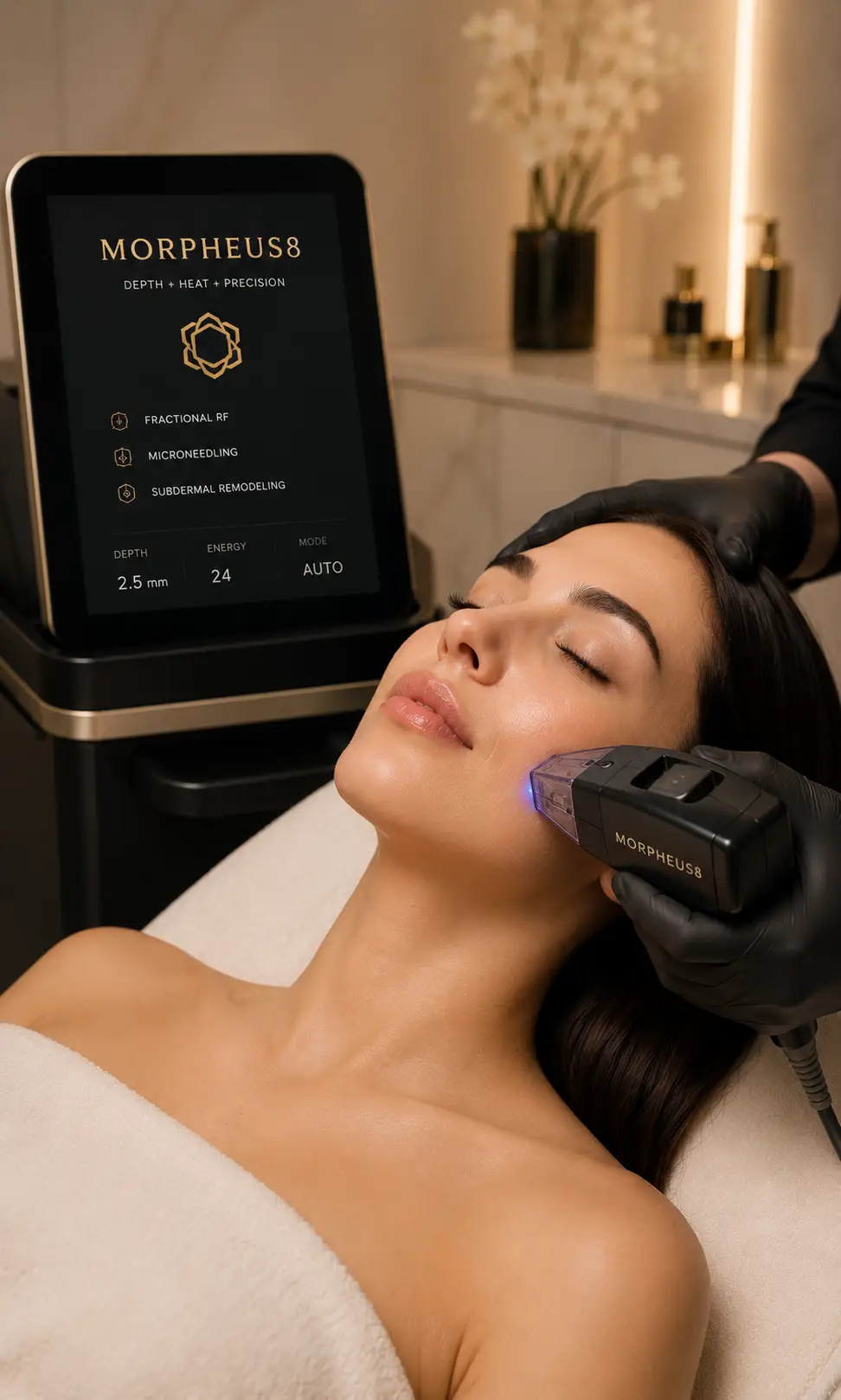
Morpheus 8
Explore a complementary approach that may be discussed as part of an individual treatment plan.
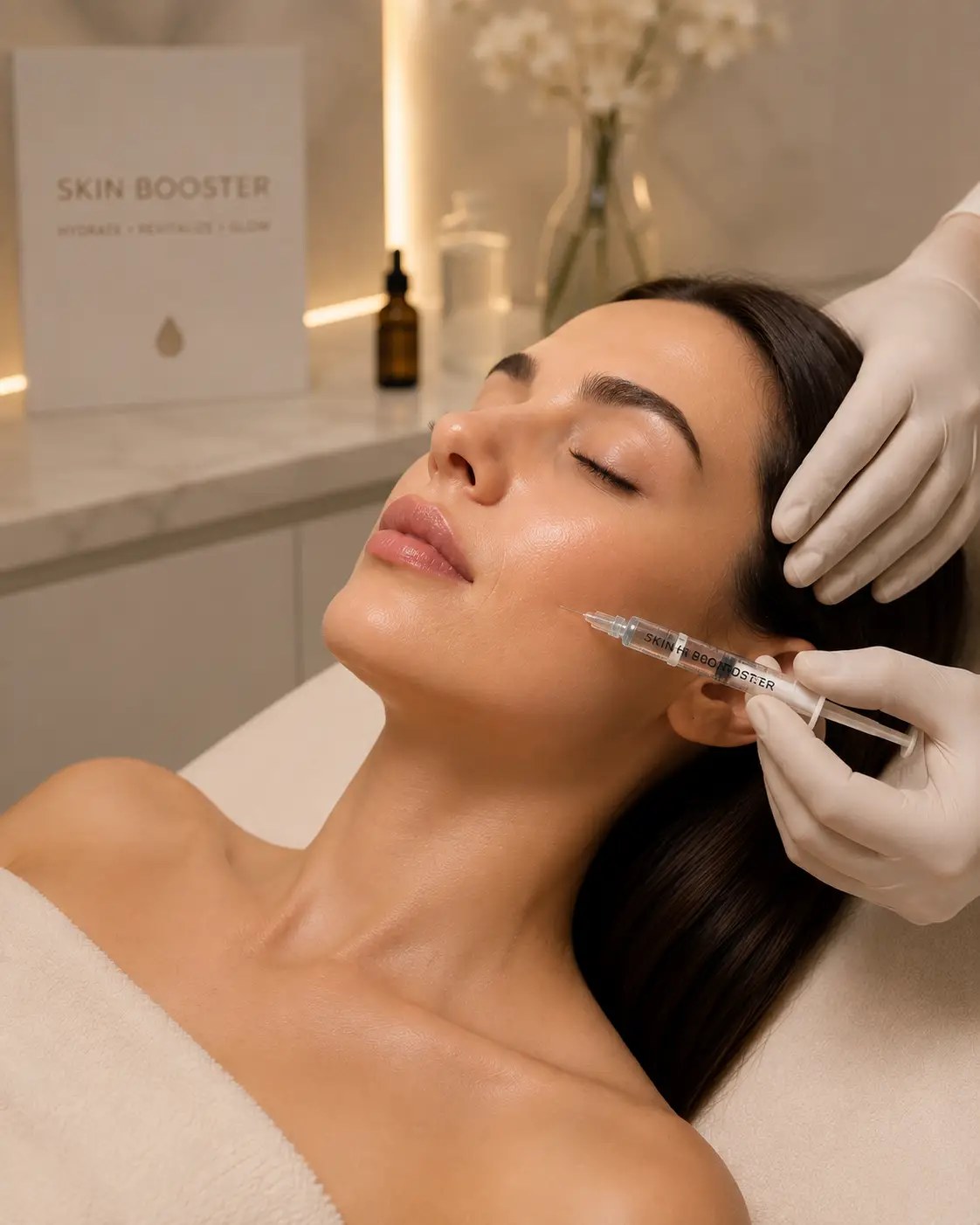
Skin Booster
Explore a complementary approach that may be discussed as part of an individual treatment plan.
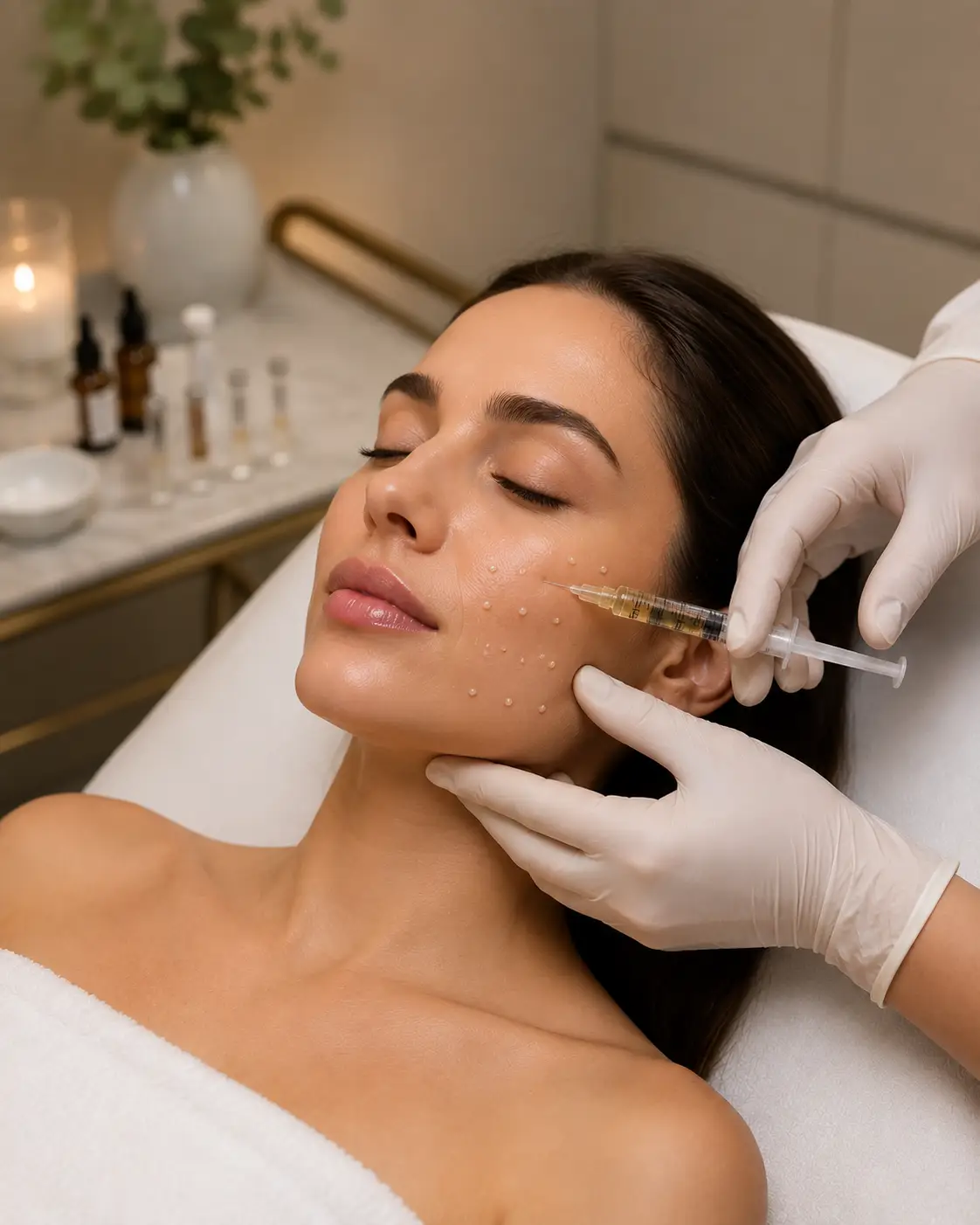
Mesotherapy
Explore a complementary approach that may be discussed as part of an individual treatment plan.
PERSONAL CONSULTATION
Considering PRP?
Book a personal consultation with Dr. Ali Maleki Adib to discuss your concerns, treatment suitability and expected approach.