
Non Surgical Treatments
Non-Surgical Aesthetic Treatments in Abu Dhabi , Which Option Is Right for You?
Choosing an aesthetic treatment is often harder than finding one.
September 14, 2026
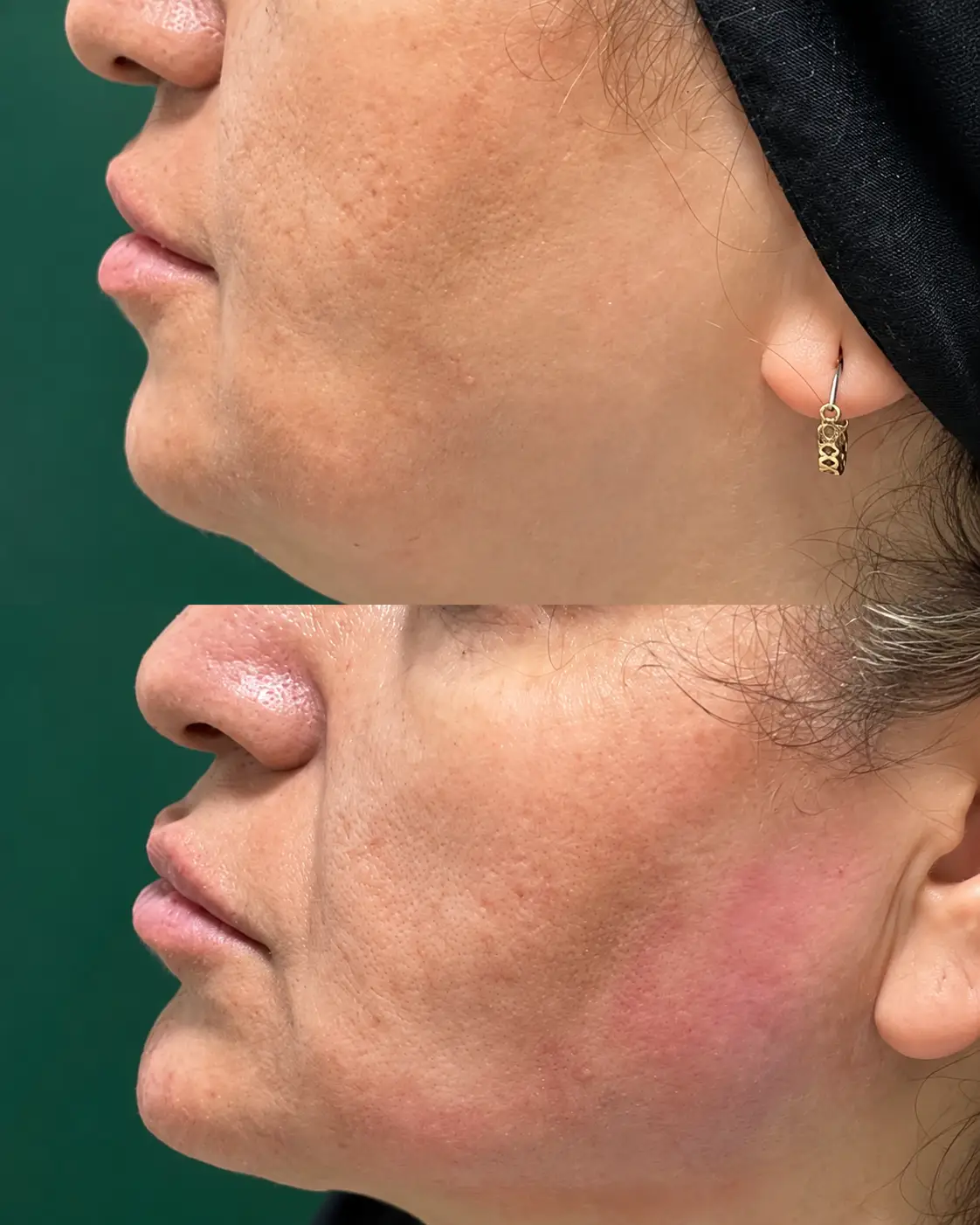
Someone concerned about a softer jawline may hear about HIFU, Endolift and Morpheus8. A patient noticing fine lines may start comparing Botox with dermal fillers. Someone whose skin simply looks tired may be choosing between skin boosters, PRP and mesotherapy.
The problem is that these treatments are often discussed as though they are interchangeable.
They are not.
Non-surgical aesthetic treatments work in different ways, target different tissues and solve different concerns. The treatment that worked well for a friend, colleague or person you follow online may not necessarily be the right choice for your face or skin.
A better way to approach aesthetic treatment is to start with the concern rather than the procedure.
What has actually changed?
Is it movement-related lines? Loss of facial volume? Skin laxity? Texture? Hydration? Or a combination of several things?
Once that is understood, choosing between the available non-surgical aesthetic treatments in Abu Dhabi becomes much more logical.
Start With the Concern, Not the Treatment Name
One of the most useful rule in aesthetic medicine is simple:
Do not choose the treatment before understanding the problem.
Two patients may both say:
“My face looks tired.”
Yet the reason may be completely different.
One may have lost volume through the cheeks.
Another may have developed lines from repeated facial movement.
A third may mainly have poorer skin hydration and texture.
Another may be noticing early skin laxity around the lower face.
Giving all four patients the same treatment would make very little sense.
A physician-led consultation therefore looks beyond the treatment a patient initially asks for.
Facial proportions, skin quality, movement, volume distribution, areas of laxity and the result the patient hopes to achieve all matter.
Sometimes the most appropriate recommendation is different from the treatment the patient originally had in mind.
If you are still exploring what may suit your concern, you can first review Dr. Ali Maleki Adib’s full range of aesthetic treatments in Abu Dhabi before comparing the individual options
Choosing a Treatment Based on Your Main Concern
The right aesthetic treatment depends on what is actually causing the concern. Similar-looking changes can have very different causes, which is why treatment selection should begin with assessment rather than choosing a procedure by name.
For example:
- Expression-related lines may be treated with Botox.
- Facial volume loss may be addressed with dermal fillers.
- Skin laxity may lead to consideration of HIFU, Endolift or Morpheus8.
- Uneven skin texture may be approached with Morpheus8 or PRP.
- Dehydrated or tired-looking skin may be better suited to skin boosters or mesotherapy.
- General skin rejuvenation may involve PRP, skin boosters or mesotherapy.
These are general examples only. The most suitable option depends on facial anatomy, skin condition, treatment goals and individual suitability.
Then continue with your existing section:
.
A Doctor's Perspective: Avoid Treating Every Sign of Ageing
A common mistake in aesthetic treatment is trying to correct every visible sign of ageing at the same time.
That is not always necessary.
A face can still have expression lines and look attractive.
It can have natural movement.
It can have slight asymmetry.
It can have characteristics that make it recognisably yours.
The objective of aesthetic treatment does not have to be perfection.
In many cases, treating one or two areas that are genuinely bothering the patient can create a more satisfying and natural result than attempting to alter everything.
A useful principle is:
Treat the concern, not the entire face.
And when possible, choose the least treatment necessary to achieve a meaningful improvement.
What Happens During an Aesthetic Consultation?
A proper consultation should involve considerably more than selecting a treatment from a menu.
It may include discussion of:
What concerns you most
When you first noticed the change
Previous aesthetic procedures
Medical history and relevant medications
Skin condition
Facial anatomy and proportions
The type of result you want
Your tolerance for downtime
Treatment limitations
Possible side effects and risks
Expected recovery
Follow-up
A patient should also feel comfortable saying:
I don’t want to look different.
That is useful information.
Understanding what a patient does not want can be just as important as knowing what they hope to improve.
Why More Treatment Is Not Always Better
Aesthetic medicine has become increasingly visible through social media.
That has benefits because patients are better informed than before.
But it has also created a tendency to treat procedures as trends.
One month everyone discusses jawline filler.
Another month it may be HIFU, Morpheus8, skin boosters or a particular injectable technique.
Your face does not need a treatment simply because the treatment is popular.
Good aesthetic care sometimes means recommending less.
It may mean delaying treatment.
It may mean choosing a skin-quality procedure instead of filler.
And occasionally it may mean explaining that treatment is unlikely to provide enough benefit to justify proceeding.
That judgment is part of medical care.
What About Recovery and Downtime?
Recovery varies considerably between procedures.
Some injectable treatments may allow patients to return to much of their normal routine quickly, although temporary swelling, tenderness or bruising may occur.
Energy-based or minimally invasive treatments can have different recovery profiles.
The treatment area, intensity and individual response also matter.
That means there is no universal “48-hour recovery rule” for non-surgical aesthetic procedures.
Before treatment, ask:
What might I look like immediately afterwards?
What symptoms are considered normal?
How long might redness or swelling last?
When can I exercise?
When can I apply makeup?
Are there skincare products I should temporarily avoid?
When should I contact the clinic?
A patient should leave with clear aftercare instructions rather than having to search online afterwards.
Are Non-Surgical Treatments Really Non-Surgical?
Yes, but “non-surgical” should not be confused with “risk-free.”
Injectables, energy-based treatments and minimally invasive procedures can still produce side effects and complications.
That is why treatment selection, medical history, practitioner training, appropriate products or devices and aftercare matter.
Aesthetic procedures should be approached as healthcare decisions, not simply as beauty purchases.
Choosing Non-Surgical Aesthetic Care in Abu Dhabi
When comparing treatment options, look beyond promotional photographs and treatment prices.
Consider:
Who is performing the consultation?
Is the treatment appropriate for the actual concern?
Are realistic outcomes being explained?
Are risks and possible side effects discussed?
Is the provider comfortable recommending against a procedure when necessary?
Will you receive follow-up guidance?
Does the treatment plan make sense to you?
You should understand why a particular procedure has been recommended before agreeing to it.
If that explanation is missing, asking more questions is reasonable.
So, Which Non-Surgical Aesthetic Treatment Is Right for You?
There is no single treatment that is best for everyone.
Botox may make sense for one concern.
Fillers may suit another.
HIFU, Endolift or Morpheus8 may be considered when tightening or firmness is the priority.
Skin boosters, PRP or mesotherapy may be more relevant when the focus is skin quality and rejuvenation.
And sometimes the right plan involves combining treatments at different times rather than trying to achieve everything with one procedure.
The starting point should always be the same:
Identify the concern.
Understand why it is happening.
Then choose the treatment that addresses it most appropriately.
For patients exploring aesthetic treatments in Abu Dhabi, Dr. Ali Maleki Adib’s approach focuses on individual assessment and treatment planning rather than applying the same procedure to every face.
The goal is not to follow every aesthetic trend.
It is to make informed choices, preserve natural features and use treatment only where it can provide a meaningful benefit.
RELATED INSIGHTS
Continue Reading.
PERSONAL CONSULTATION
Considering an
Aesthetic Treatment?
A personal consultation can help determine which treatment approach may be appropriate for your concerns and individual goals.