Understanding Effects OF Climate
Living in Abu Dhabi has plenty of advantages: world-class infrastructure, a vibrant lifestyle, and sunshine almost every single day. But if you’ve noticed your skin looking duller, drier, or more pigmented since moving here or since the summer months roll around you’re not imagining it. The local climate is genuinely tough on skin, and understanding why is the first step to protecting it.
In this guide, we break down exactly how Abu Dhabi’s environment affects your skin, the most common issues we see in UAE residents, and the practical daily habits that make the biggest difference. We’ll also cover when it’s time to move beyond home care and consider professional treatment.
Why Abu Dhabi's Sun, Heat, and AC Are Harsh on Skin
Abu Dhabi presents a unique “triple threat” to skin health.
1. Intense, year-round UV exposure. The UAE sits in one of the sunniest regions on earth, with UV Index levels regularly hitting “very high” to “extreme” (10+) for much of the year. Ultraviolet radiation is the single biggest driver of premature skin aging, pigmentation, and skin cancer risk. Even short daily exposures — walking from your car to the office, sitting near a window — add up over months and years.
2. Extreme heat and humidity swings. Summer temperatures above 45°C don’t just make you sweat; they accelerate transepidermal water loss, meaning your skin loses moisture faster than it can replace it. The result is dehydration at the skin’s surface, a weakened moisture barrier, and increased sensitivity.
3. Constant air conditioning. Here’s the irony: we escape the heat indoors, but AC strips humidity from the air — often dropping indoor humidity below 30%. Spending 90% of your day in artificially cooled, dry air dehydrates the skin from the outside in, causing tightness, flaking, and fine lines that weren’t there before.
The combination of harsh sun outdoors and dehydrating AC indoors means your skin barrier is under near-constant stress, 365 days a year.
The Most Common Skin Issues in the UAE
These are the concerns we hear about most often at our Khalifa City clinic — and almost all of them trace back to the climate:
Dehydration and dullness. Skin feels tight, looks flat, and makeup doesn’t sit well. This is the AC effect, compounded by not drinking enough water in the heat.
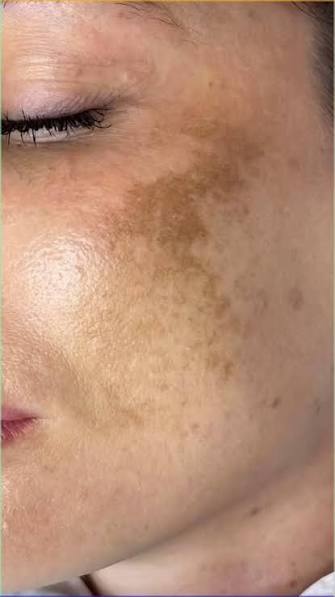
Hyperpigmentation and melasma. UV exposure triggers excess melanin production, leading to dark spots, uneven tone, and melasma — especially common in medium-to-darker skin tones, which make up much of the UAE population. Ironically, some pigmentation is worsened by heat itself (thermal pigmentation), not just sunlight.
Premature aging. Fine lines, loss of elasticity, and sun spots appearing earlier than they should. Dermatologists call this “photoaging,” and in high-UV climates it can show up a decade sooner than in temperate regions.
Sunburn and sun sensitivity. Fair skin, children, and anyone spending time outdoors midday are especially vulnerable.
Breakouts and “maskne.” Heat, sweat, and sunscreen-heavy routines can clog pores, leading to congestion and acne flare-ups — particularly along the jaw and forehead.
Sensitivity and redness. A compromised skin barrier from heat/AC cycling makes skin reactive to products it previously tolerated.
If several of these sound familiar, you’re in good company — they affect the vast majority of long-term UAE residents at some point.
Daily Skin Protection Strategies for UAE Residents
The good news: most climate-related skin damage is preventable with consistent, targeted habits. Here’s what we recommend to every patient:
1. Wear sunscreen — every single day, indoors too
-
Use a broad-spectrum SPF 50+ with both UVA and UVB protection.
-
Apply every morning, and reapply every 2–3 hours if you’re outdoors.
-
Don’t skip it on cloudy days or if you work indoors — UVA penetrates glass, so windows and car windscreens won’t protect you.
2. Hydrate strategically, inside and out
-
Drink consistently through the day rather than in large bursts.
-
Use a hyaluronic acid serum on slightly damp skin, then seal it in with a moisturizer containing ceramides to repair the barrier.
-
Consider a humidifier in bedrooms during peak AC season.
3. Adjust your routine for the season
-
Summer: lightweight gel moisturizers, antioxidant serums (vitamin C in the morning helps fight UV-induced free radicals).
-
Winter: slightly richer moisturizers as the air dries further.
4. Protect physically, not just chemically
-
Sunglasses with UV protection (the eye area is where aging shows first).
-
Wide-brimmed hats and UPF clothing for extended outdoor time.
-
Seek shade between 10am and 4pm where possible.
5. Don’t over-cleanse
-
Washing your face more than twice a day, or with harsh foaming cleansers, strips the barrier further. Choose a gentle, pH-balanced cleanser instead.
6. Be careful with actives
-
Retinoids and exfoliating acids are fantastic for pigmentation and aging, but in UAE heat they must be introduced slowly and always paired with daily SPF, or they can worsen sensitivity and discoloration.
When to Consider Professional Skin Treatments
Home care is the foundation — but some concerns need clinical expertise. It’s time to book a professional assessment if you notice:
-
Pigmentation that isn’t fading despite months of sunscreen and brightening products (melasma in particular rarely responds to over-the-counter products alone).
-
Fine lines, sagging, or texture changes that bother you and aren’t improving with your current routine.
-
Persistent acne or acne scarring that keeps recurring, especially in adult women.
-
Rough, scaly, or changing moles or spots — these should always be checked promptly as part of a skin cancer screening.
-
Chronic redness, rosacea-like flushing, or unexplained sensitivity that is affecting your quality of life.
The key point: in a high-UV environment like Abu Dhabi, treating pigmentation or aging without a dermatologist often leads to frustration — or worse, worsening of the problem. A professional can diagnose the specific type of pigmentation (melasma, sun spots, post-inflammatory marks all look similar but need different treatments) and build a plan that actually works.
Dr. Ali's Approach to Skin Health in Abu Dhabi
At our Khalifa City clinic, we believe great skin care starts with understanding — your skin type, your lifestyle, your environment, and your goals.
Every patient begins with a thorough skin assessment. We don’t believe in one-size-fits-all protocols. Whether your concern is pigmentation, dehydration, acne, or early signs of aging, we first identify why it’s happening before recommending what to do about it.
We combine medical dermatology with aesthetic expertise. From prescription-grade pigmentation treatments and medical-grade facials to advanced options like chemical peels, microneedling, and laser therapy, every recommendation is evidence-based and tailored to your skin — and to the realities of living in the UAE climate.
Prevention comes first. Our goal is never just to treat; it’s to protect your skin long-term so you need less intervention over time, not more.
We treat all skin tones with confidence. Pigmentation treatments in particular must be approached carefully on medium and darker skin tones — this is an area where experience matters enormously.
Your Skin Deserves a Plan Not Guesswork
You can’t change Abu Dhabi’s climate. But you can change how your skin responds to it.
If you’ve been dealing with pigmentation, dullness, breakouts, or signs of aging that aren’t responding to over-the-counter products, a professional skin assessment is the fastest way to get clarity — and results.
The key point: in a high-UV environment like Abu Dhabi, treating pigmentation or aging
without a dermatologist often leads to frustration — or worse, worsening of the problem. A professional can diagnose the specific type of pigmentation and build a plan that actually works.
👉 Book a consultation with Dr. Ali to get a proper skin assessment.
Explore our aesthetic treatments to learn more about the options available at the clinic, or return to our homepage to discover the full range of services at Dr. Ali Maleki Adib Aesthetic Clinic in Abu Dhabi.
Want more skin care tips for UAE living? Follow us for monthly guides on sun protection, seasonal routines, and the treatments worth knowing about.