
Skin Rejuvenation
Skin Boosters, PRP or Mesotherapy: Which Approach Is Different?
Skin boosters, PRP and mesotherapy can all form part of a skin-quality treatment plan, but they differ in formulation, technique and treatment goals.
August 25, 2026
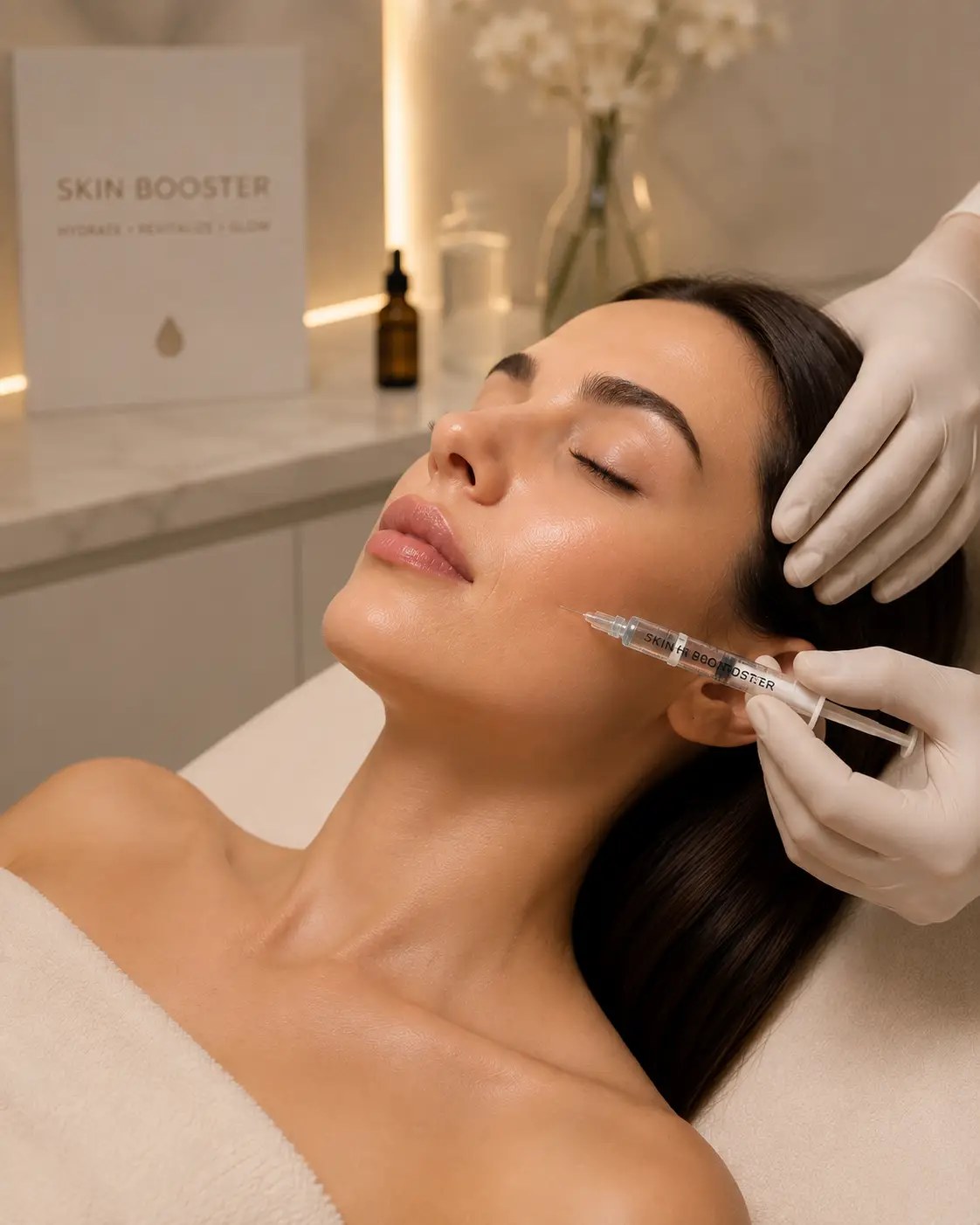
Three approaches to skin quality
Skin boosters, PRP and mesotherapy are often grouped under skin rejuvenation, but the terms do not describe the same treatment. They differ in what is introduced into the skin, how it is prepared or selected, and which goals are being prioritized. A consultation helps translate a broad wish for better skin into specific concerns such as hydration, texture, radiance or resilience.
No single option is automatically best. Skin condition, medical history, sensitivity, previous treatment, lifestyle and tolerance for recovery can all influence the plan.
Skin Booster overview
A Skin Booster generally involves injectable formulations selected to support hydration and aspects of skin quality. Products and protocols vary, so the name alone does not explain the exact formulation, injection pattern or treatment schedule. The face, neck or other selected areas may be discussed depending on the product and assessment.
Skin boosters are not the same as volumizing filler, although some formulations may use related ingredients. The intention, placement and amount are different and should be explained clearly.
PRP overview
PRP, or platelet-rich plasma, is prepared from a sample of the patient’s own blood. Processing separates a platelet-concentrated component that is then used according to the agreed protocol. It may be discussed for selected skin-quality or hair concerns, depending on suitability.
Because PRP is autologous, it does not mean that everyone will respond in the same way or that the treatment has no risks. Preparation method, indication, health factors and treatment technique all matter.
Mesotherapy overview
Mesotherapy is a technique involving multiple small injections of a selected formulation into superficial tissue. The ingredients can vary considerably, which means a consultation should identify exactly what is proposed and why. Mesotherapy may be discussed for hydration, radiance or other skin-quality goals.
The broad label should not be treated as a single standardized product. Suitability depends on the formulation, area, skin condition, allergy history and expected benefit.
Key differences
The simplest distinction is formulation. Skin boosters use a manufactured injectable selected for a skin-quality objective; PRP is prepared from the patient’s blood; mesotherapy may use a tailored combination of ingredients delivered through superficial microinjections. Technique and treatment schedules may also differ.
These differences influence preparation, expected temporary effects, maintenance and who may be suitable. They also make direct price or session-count comparisons less useful without knowing the precise protocol.
Hydration, texture and radiance
When dehydration or crepey texture is the main concern, a skin booster may be part of the discussion. PRP may be considered where a regenerative approach using the patient’s own plasma aligns with the goal. Mesotherapy may be discussed for superficial hydration or radiance depending on the chosen formulation.
These are general distinctions, not promises. Skin texture can also be influenced by sun exposure, acne scarring, pigmentation, active skin disease and home care. An injectable treatment may not address every contributor.
What treatment feels like and recovery
All three approaches involve injections, so temporary redness, swelling, tenderness, bruising or small treatment marks can occur. PRP also involves a blood draw and preparation step. The number of injection points, treatment area and individual sensitivity affect the experience.
Recovery should be planned around your schedule, and aftercare instructions should be followed. Contact the treating team if symptoms are unexpected or concerning.
Treatment planning and maintenance
Some skin-quality plans involve a course of sessions followed by review or maintenance, while others may be spaced differently. The schedule depends on the chosen treatment, product, baseline condition and response. More frequent treatment is not automatically better.
Dr. Ali may recommend improving the skin barrier, adjusting home care or addressing another concern before injectables. A staged plan makes it easier to evaluate what is helping.
Why no single treatment suits everyone
Two people who both want more radiance may have different underlying concerns. One may primarily need hydration support, another may have pigment or texture issues, and a third may not be suitable for injections at that time. Medical conditions, medication, pregnancy, active infection and allergy history can also affect eligibility.
A responsible recommendation therefore begins with assessment rather than a favorite treatment. It should include realistic limitations and alternatives.
Consulting Dr. Ali
During consultation, Dr. Ali can assess your skin, review previous procedures and discuss whether a Skin Booster, PRP, Mesotherapy or another approach may be appropriate. The plan can then focus on a defined goal while preserving a natural, healthy-looking result.
Individual response, recovery and duration vary. The consultation is the right place to compare formulations and techniques, ask about risks and decide whether the proposed level of treatment feels proportionate.
Supporting the treatment plan
Injectable skin treatments work best within a broader approach to skin health. Daily sun protection, suitable cleansing, moisturization and treatment of active skin conditions may influence how the skin looks and feels. These measures do not replace a procedure, but they can support the objective and help avoid asking an injectable to solve a concern outside its intended role.
Progress should be reviewed using consistent photographs and realistic time points. Hydration and radiance can fluctuate with environment, sleep and routine, while tissue response may develop gradually. Looking at the overall pattern—rather than judging the skin immediately after treatment—supports a calmer and more accurate decision about maintenance.
The choice may also change over time. A person who begins with barrier support and a simple skin-care plan may later be better positioned to consider an injectable, while someone who previously used one approach may benefit from reassessment rather than repeating it automatically. Reviewing the original goal, current skin condition and response history keeps future treatment connected to evidence from the individual rather than to a preset schedule.
RELATED INSIGHTS
Continue Reading.
PERSONAL CONSULTATION
Considering an
Aesthetic Treatment?
A personal consultation can help determine which treatment approach may be appropriate for your concerns and individual goals.